
Why an estuary is a good place to start
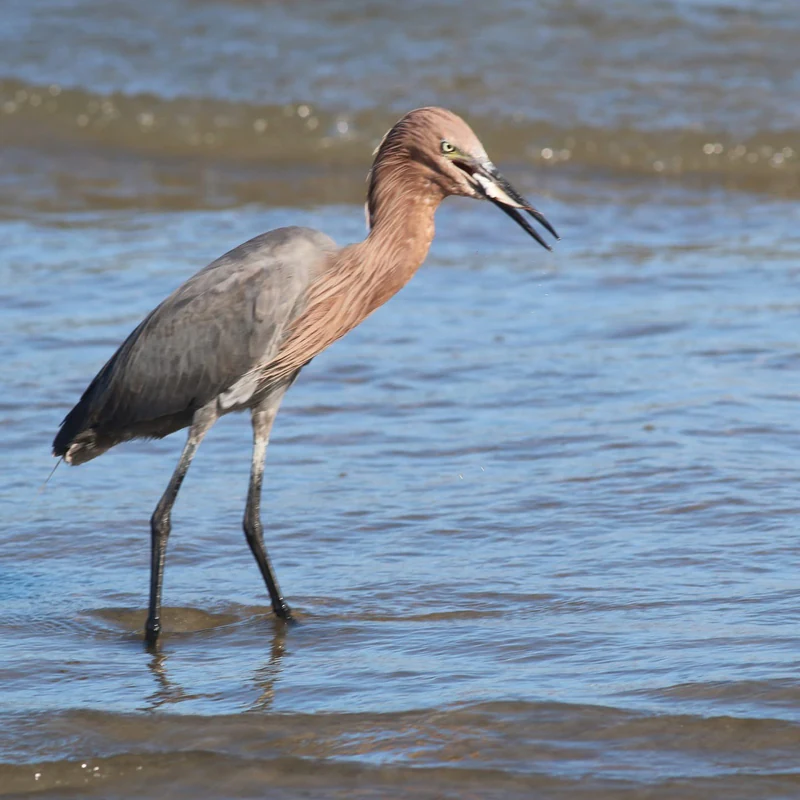
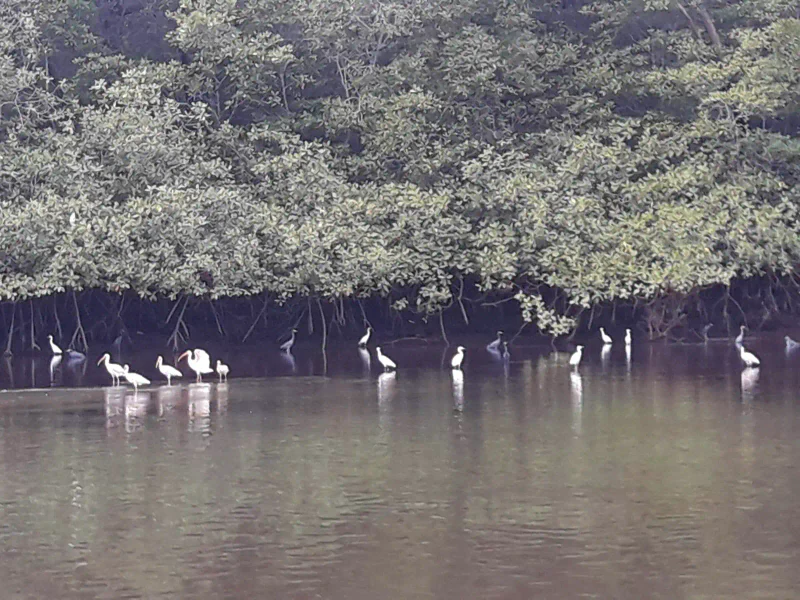
Forest birding is hard for a beginner: birds hide in the leaves, move fast and call from places you cannot see. An estuary is the opposite. Many of its birds are large, stand in the open on mud banks and branches, and stay still for long stretches while they hunt. A heron can give you minutes of practice with your binoculars.
Tamarindo is a good example. The eBird hotspot for Tamarindo, at the mouth of the estuary, has 292 species reported over the years (checked on 18 November 2026). You do not need to learn them all. A handful of big, common water birds will give you your first list, and the rest can come later.
Binoculars: what the numbers mean
Every pair of binoculars has two numbers, such as 8x42. The first is the magnification (eight times); the second is the diameter of each front lens in millimeters. Audubon’s binocular guide explains why most birders choose 7x or 8x rather than 10x: a lower power gives a brighter image and a wider field of view, and it shakes less in your hands, which matters on a moving boat. It also notes that lenses larger than 42 mm make binoculars too heavy to carry all day.
If you wear glasses, check the eye relief: Audubon recommends 15 to 20 mm, with eyecups you can twist down when you keep your glasses on. In a humid place like a mangrove, waterproof binoculars that do not fog up are worth having.
A simple habit saves a lot of frustration: when you spot a bird, keep your eyes on it and bring the binoculars up to your eyes, instead of searching for it through the lenses. Set the focus on something at a similar distance before the bird flies off.
The four keys to identifying a bird
The Cornell Lab of Ornithology teaches beginners to look at four things, in this order:
- Size and shape. Is it the size of a sparrow, a pigeon or a goose? Long legs or short? Long neck? A straight, curved or flat bill? Cornell calls this one of the most powerful tools for identification. Compare the bird with one you already know.
- Color pattern. Look at the big picture first: dark above and light below, a white belly, a band across the chest, a colored bill. Do not get lost in small details yet.
- Behavior. How does it move and feed? Does it stand still at the water’s edge, walk and probe the mud, dive from the air, or skim over the water? Behavior is consistent within a species.
- Habitat. Does the bird make sense in this place and at this time of year? A shorebird on a sandbar fits; the same bird in a dry forest would be a surprise.
Kenn Kaufman adds a fifth clue in his Audubon article on identification: sound. Calls and songs often confirm a name faster than plumage. You do not need to memorize them; apps can help, as our guide to Merlin and eBird in Costa Rica explains.
Ten easy birds to start with in Tamarindo
These species are common or frequent in eBird checklists from the Tamarindo hotspot and are easy to see from the water or the edge of town. The table shows how often each one is reported and in which months.
| Species | Months recorded | On checklists | Last record |
|---|---|---|---|
| Brown Pelican Pelecanus occidentalis | Common | November 16, 2026 | |
| Magnificent Frigatebird Fregata magnificens | Common | October 29, 2026 | |
| Neotropic Cormorant Nannopterum brasilianum | Common | November 16, 2026 | |
| Great Egret Ardea alba | Common | November 16, 2026 | |
| Tricolored Heron Egretta tricolor | Common | November 16, 2026 | |
| White Ibis Eudocimus albus | Common | September 30, 2026 | |
| Royal Tern Thalasseus maximus | Common | November 16, 2026 | |
| Spotted Sandpiper Actitis macularius | Common | October 29, 2026 | |
| Mangrove Swallow Tachycineta albilinea | Common | October 11, 2026 | |
| Great-tailed Grackle Quiscalus mexicanus | Common | November 16, 2026 |
few records · regular · on many checklists. Source: eBird, hotspot Tamarindo, Guanacaste, Costa Rica (L442998), checked on November 18, 2026. What you see depends on the tide, the season and the animals.
- Brown pelican: big, gray-brown, with a huge bill; often in lines low over the waves.
- Magnificent frigatebird: long, angled black wings and a forked tail, high in the sky.
- Neotropic cormorant: a dark diving bird that perches with its wings spread out to dry.
- Great egret: a tall white heron with a yellow bill and black legs.
- Tricolored heron: a slim, blue-gray heron with a white belly.
- White ibis: white, with a long red bill curved downward; probes the mud in small groups.
- Royal tern: a pale seabird with an orange bill, often resting on the sand.
- Spotted sandpiper: a small shorebird that bobs its tail up and down as it walks.
- Mangrove swallow: a small swallow, green above and white below, skimming the channel.
- Great-tailed grackle: the noisy black bird with a long tail that you will see all over town.
Once you know these, the herons and egrets guide is a good next step, and the Tamarindo bird checklist has all 292 species if you want to keep going.
Keep a simple list
Write down the date, the place and every bird you are sure of. If you are not sure, write a short description: size compared with a bird you know, colors, bill, what it was doing. That note is often enough to find the name later in a field guide or app. A list also turns a walk or a tour into data: you can submit it to eBird, the Cornell Lab’s database, so scientists can use it.
Bird with good manners
The American Birding Association’s Code of Birding Ethics sums up how to watch birds without harming them. In short:
- Avoid stressing birds, and be extra careful near nests, roosts and feeding areas. Back off if a bird changes what it is doing because of you.
- Use recorded calls (playback) sparingly or not at all, especially for rare or threatened species.
- Stay on trails and do not damage habitat.
- Respect private property and the people who live where you bird.
- Know and follow the local rules.
In Costa Rica the local rules include the Wildlife Conservation Law (Ley 7317): feeding wildlife without authorization from SINAC is fined. Watch from a distance and let the birds keep hunting.
Your first birding outing
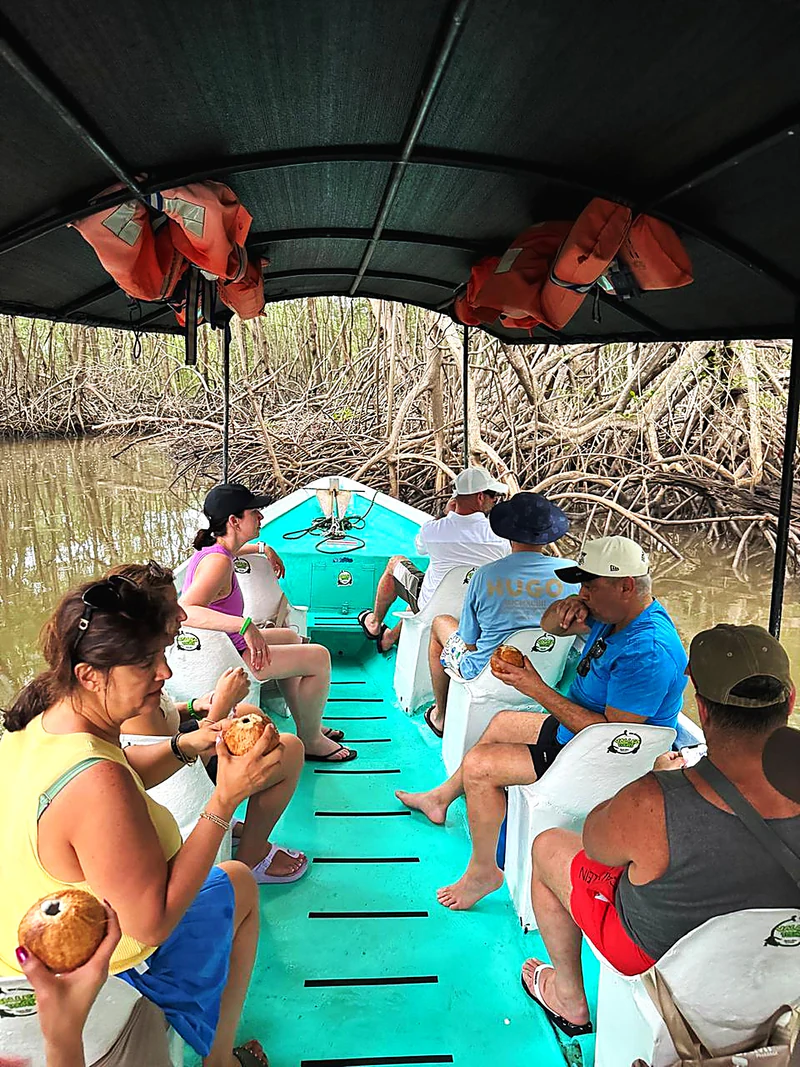
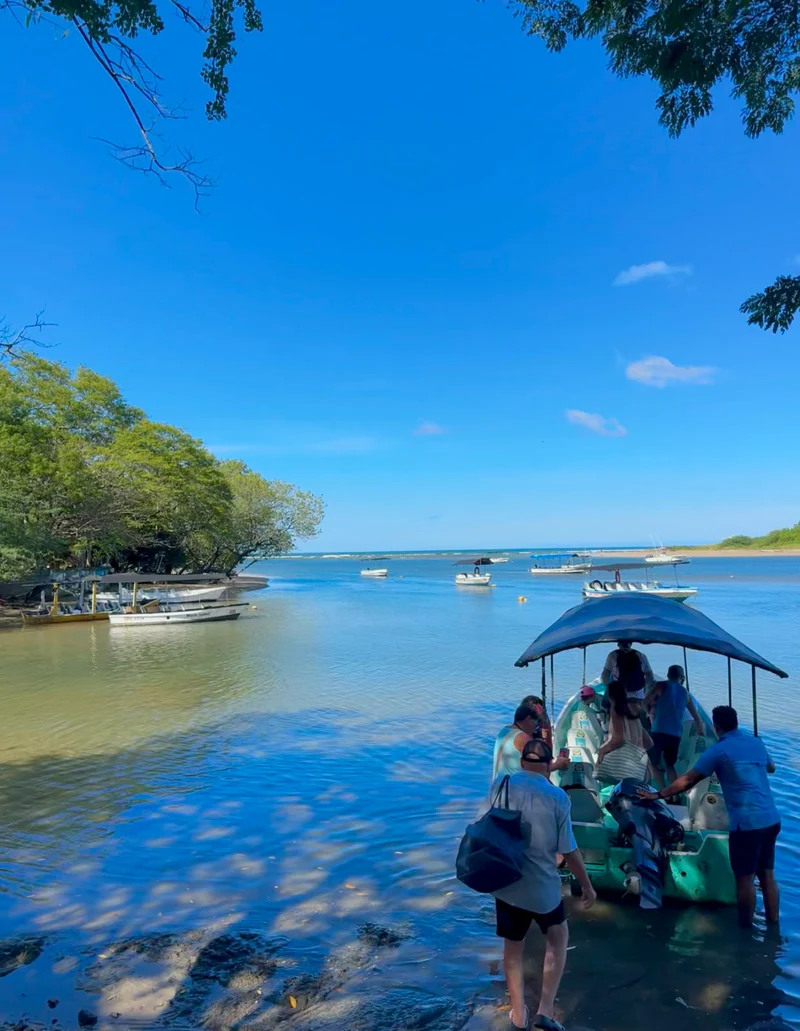
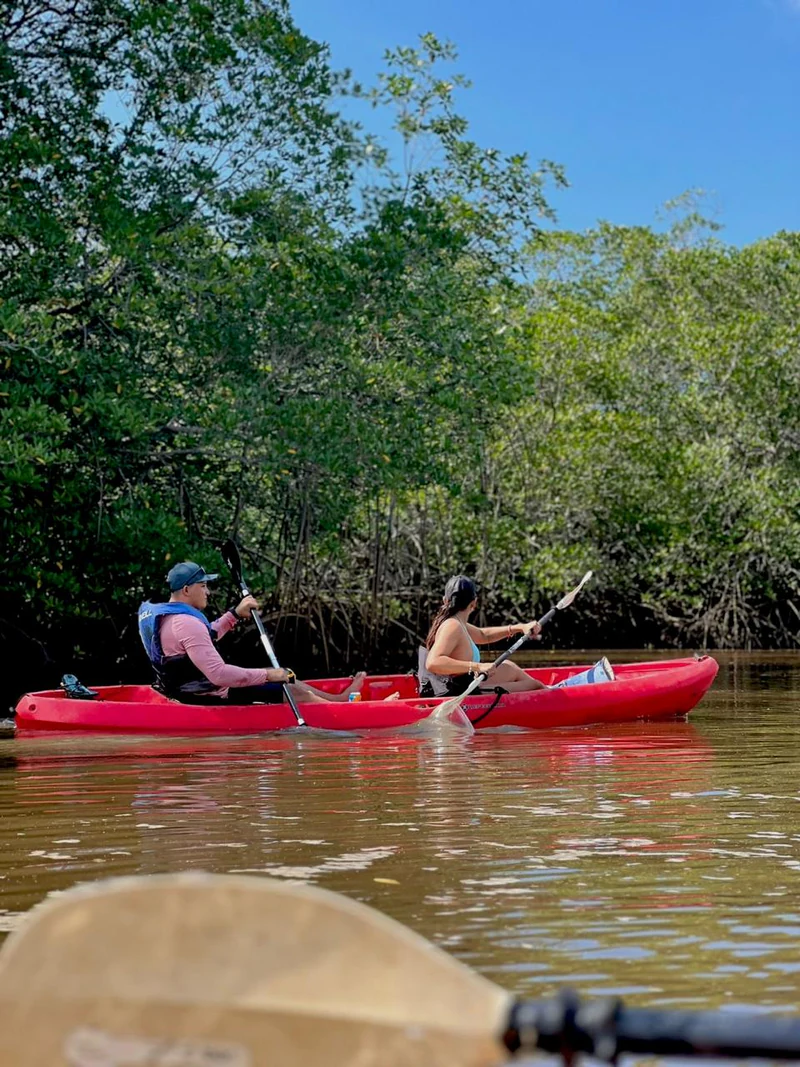
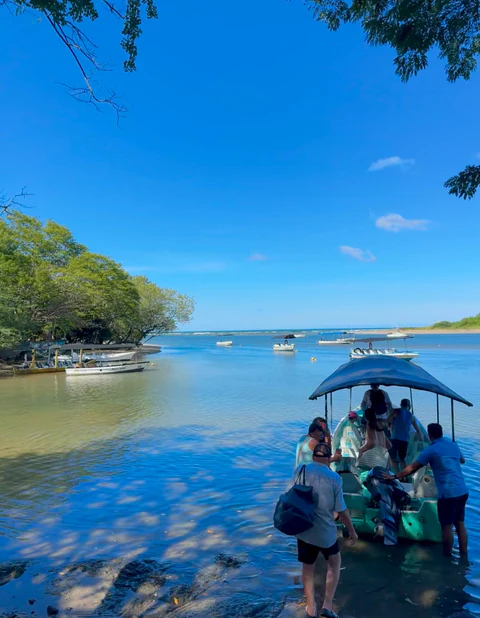
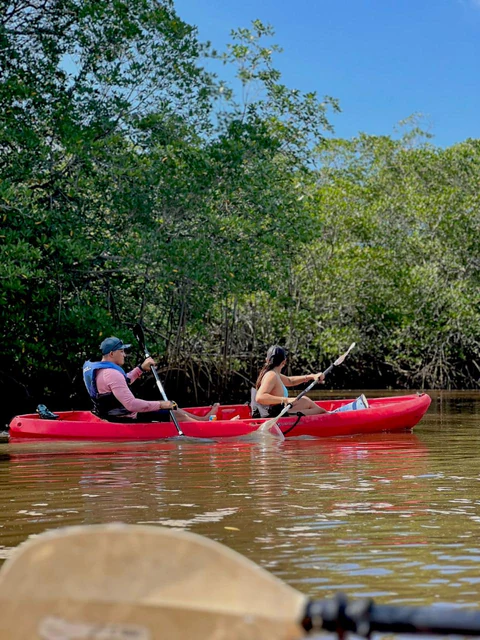
The easiest way to start is with someone who knows where to look. On our bird watching tour in Tamarindo, the bilingual guide points out the birds and tells you their names in English and Spanish. It is the same wildlife boat tour in the Tamarindo estuary (about 2 hours) or the double kayak tour (1.5 to 2 hours), with a birding focus: just tell us when you book that you want to watch birds. What you see always depends on the tide, the season and the birds themselves.
Sources
- Cornell Lab, All About Birds: Building Skills, the 4 Keys to Bird Identification
- Audubon: How to Choose Your Binoculars
- Audubon: How to Identify Birds (Kenn Kaufman)
- American Birding Association: Code of Birding Ethics
- eBird: Tamarindo hotspot (L442998), checked 18 Nov 2026
- eBird: bar charts for the Tamarindo hotspot
Reviewed: November 19, 2026 · Valled Tours