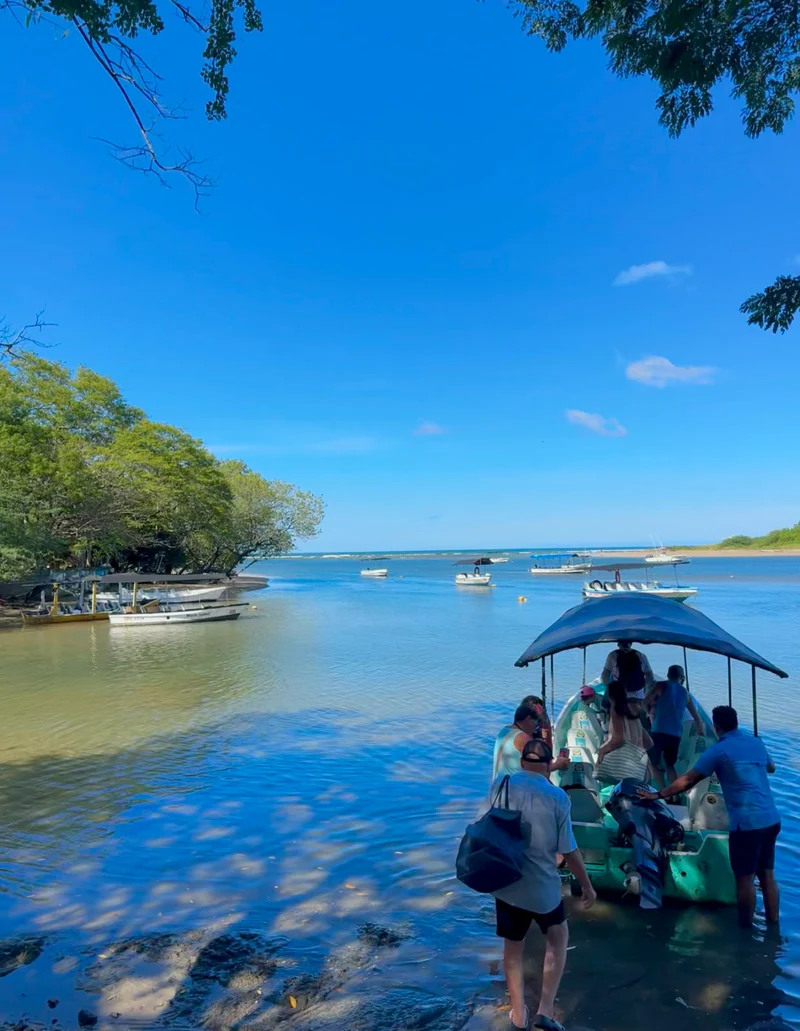
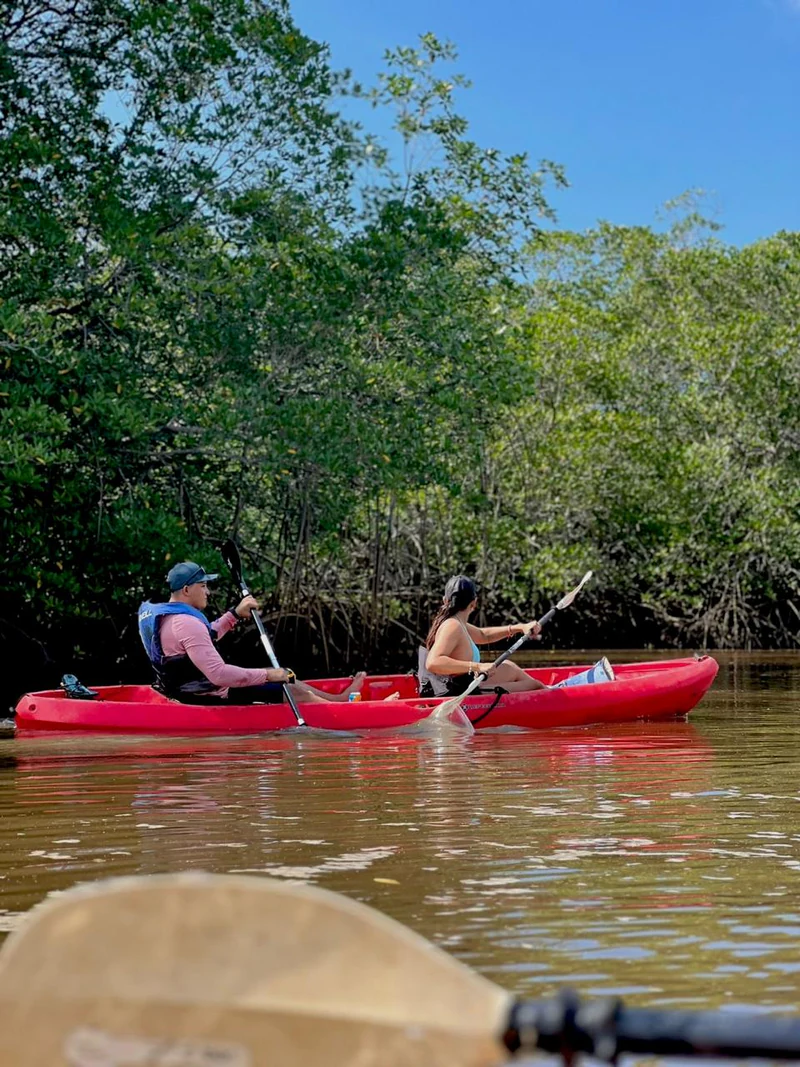
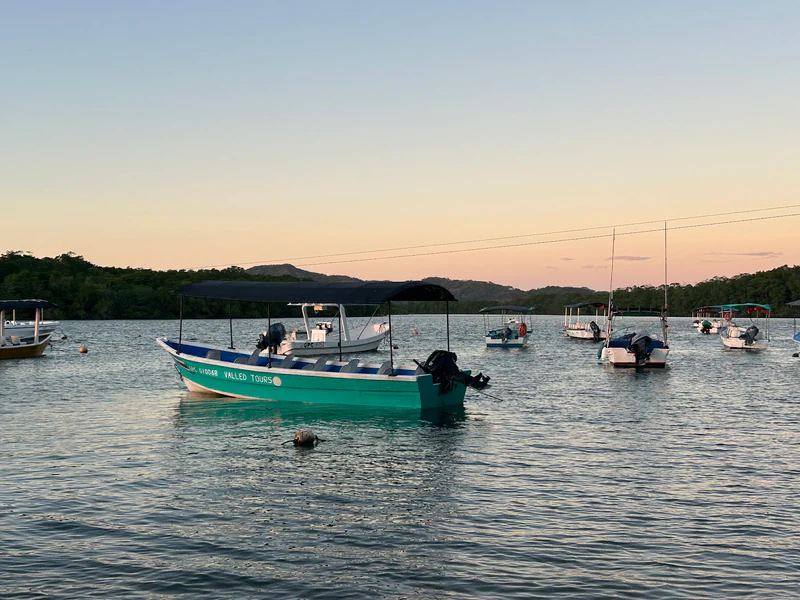
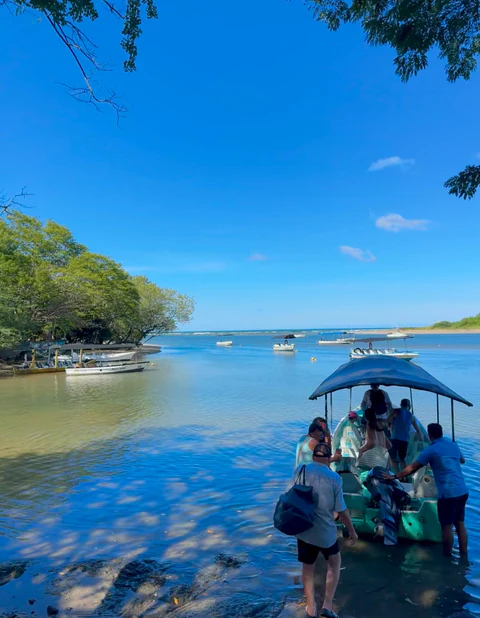
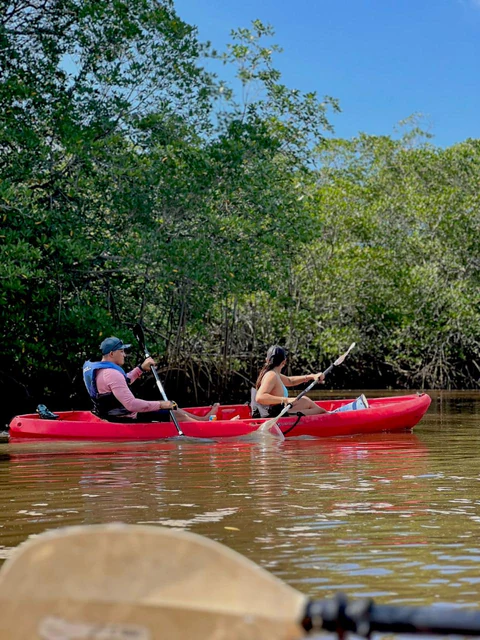
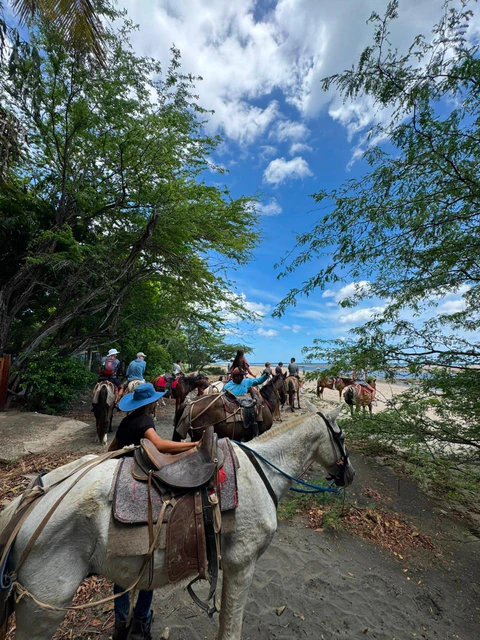
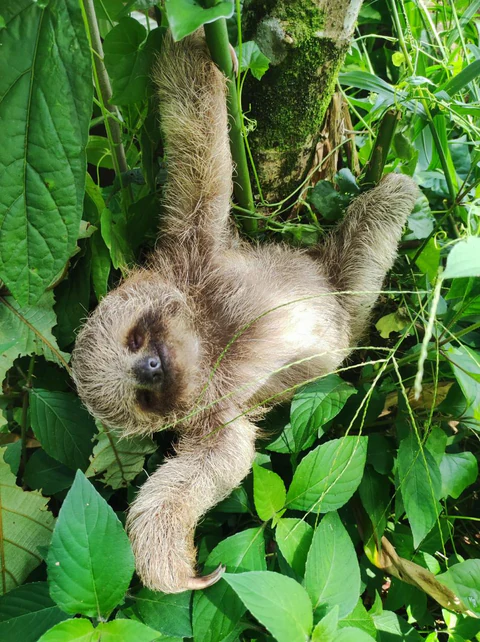
The Tamarindo estuary is a mangrove wetland where the river meets the sea. The area is home to more than 250 bird species, 80 reptile species and 100 mammal species. These are some of the animals we see on our tours.
Species profiles
Profiles to name what you see
Each profile shows how to recognize the species, when it is seen in the estuary and how often it appears on eBird checklists.
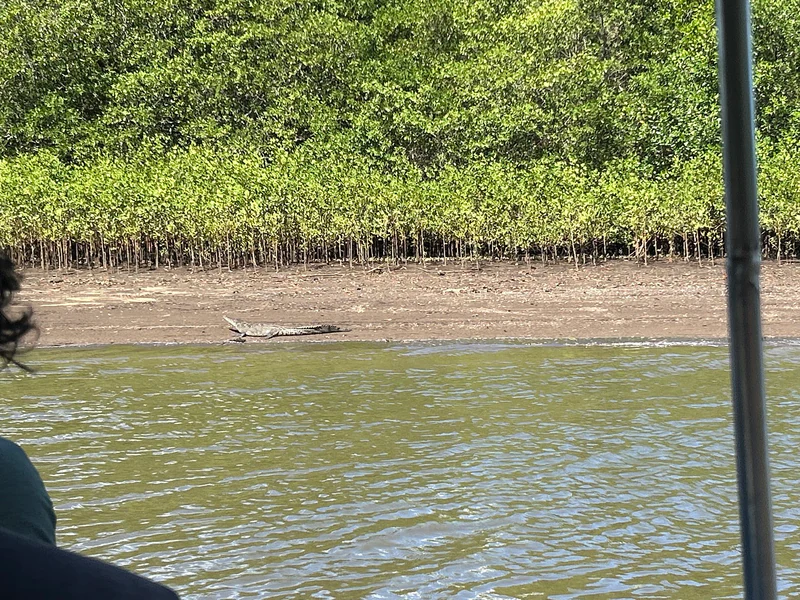
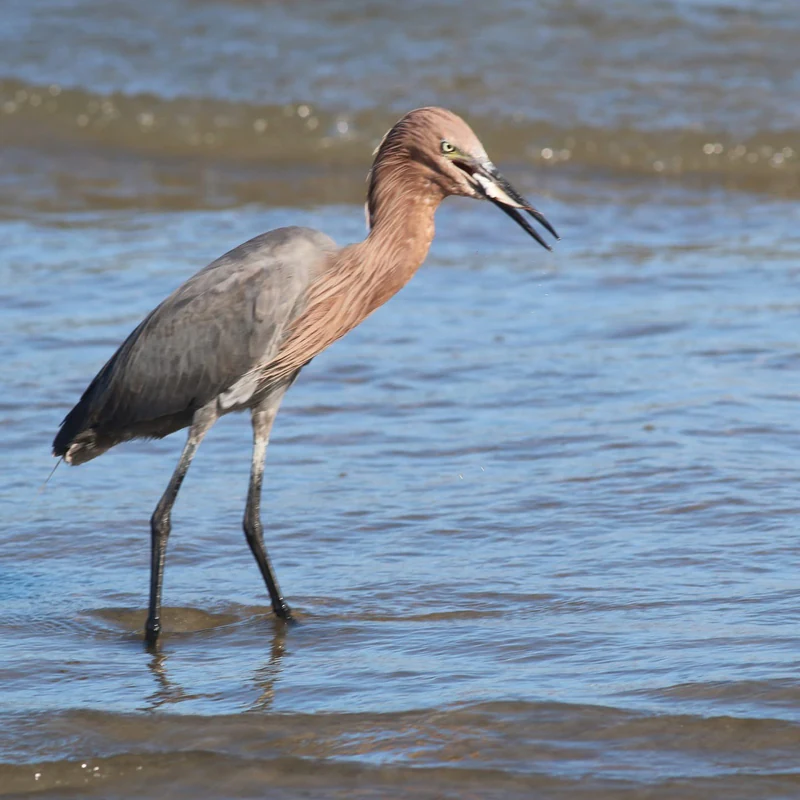
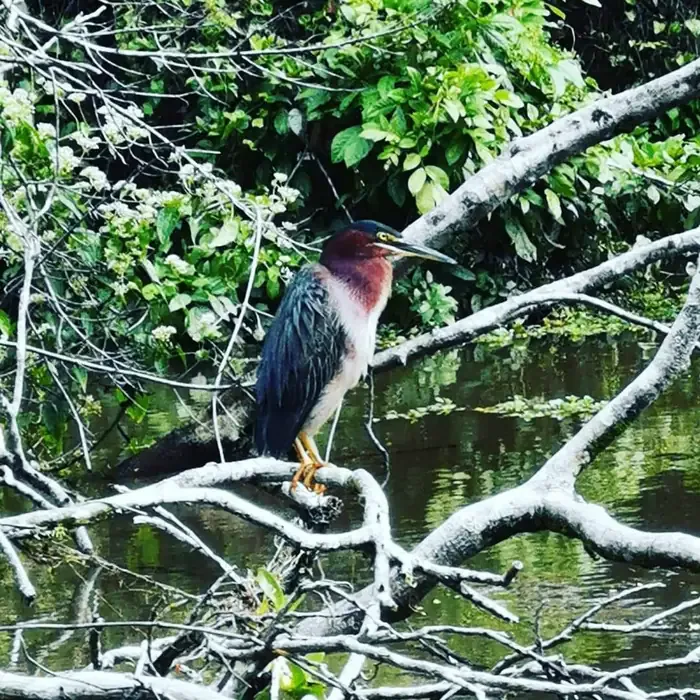
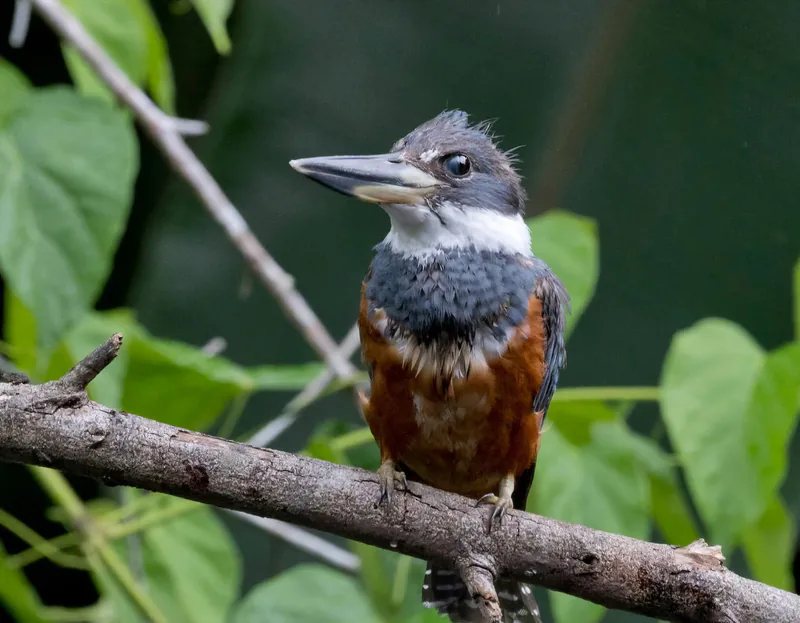
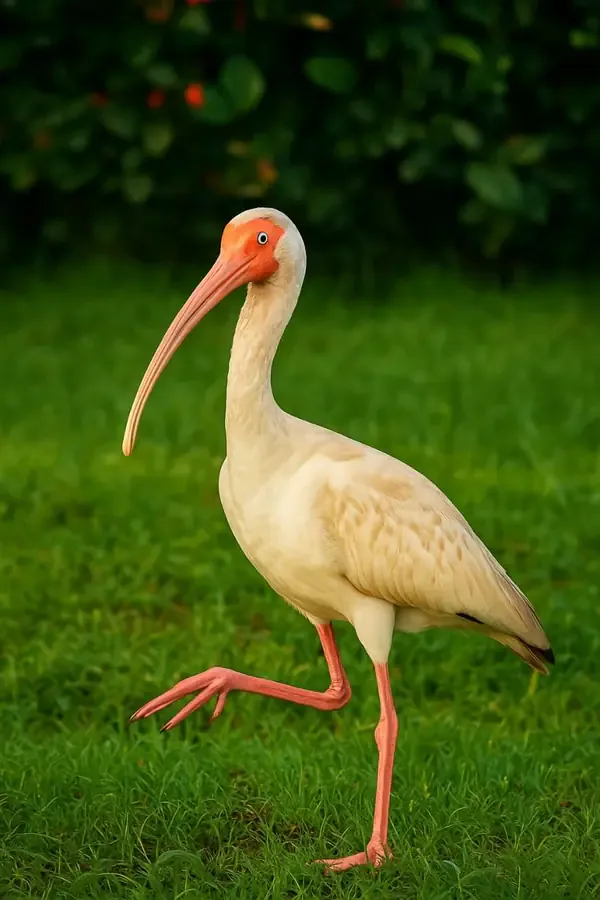
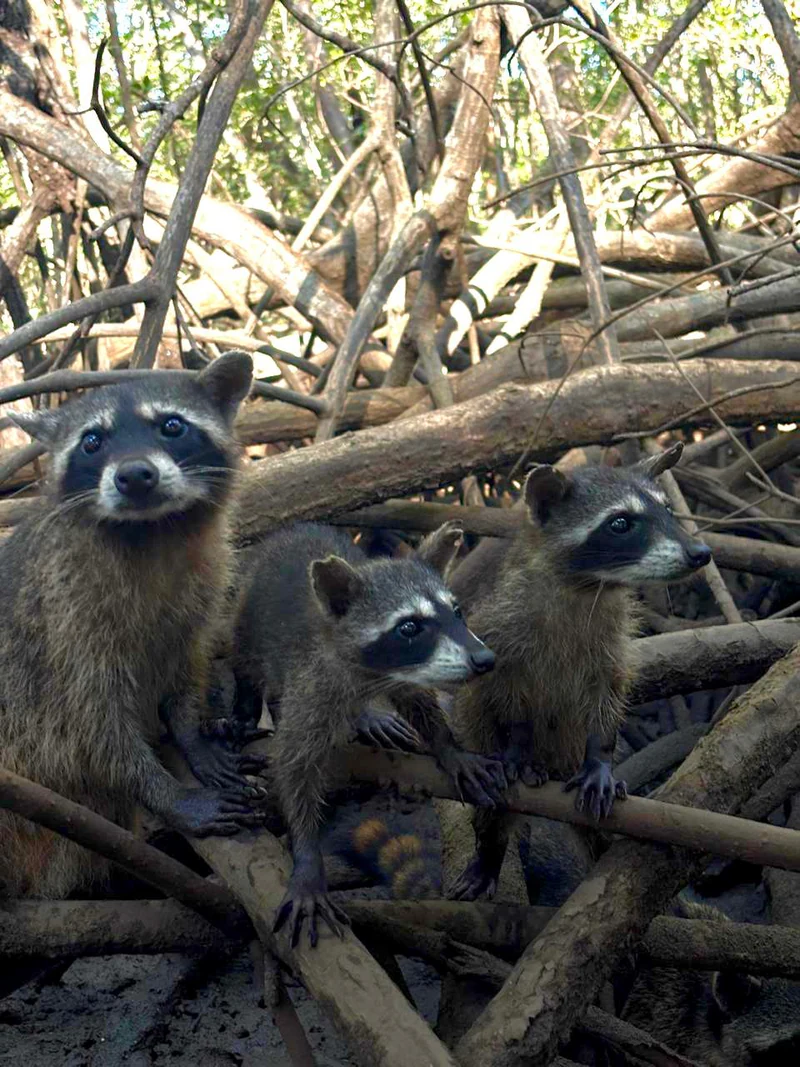
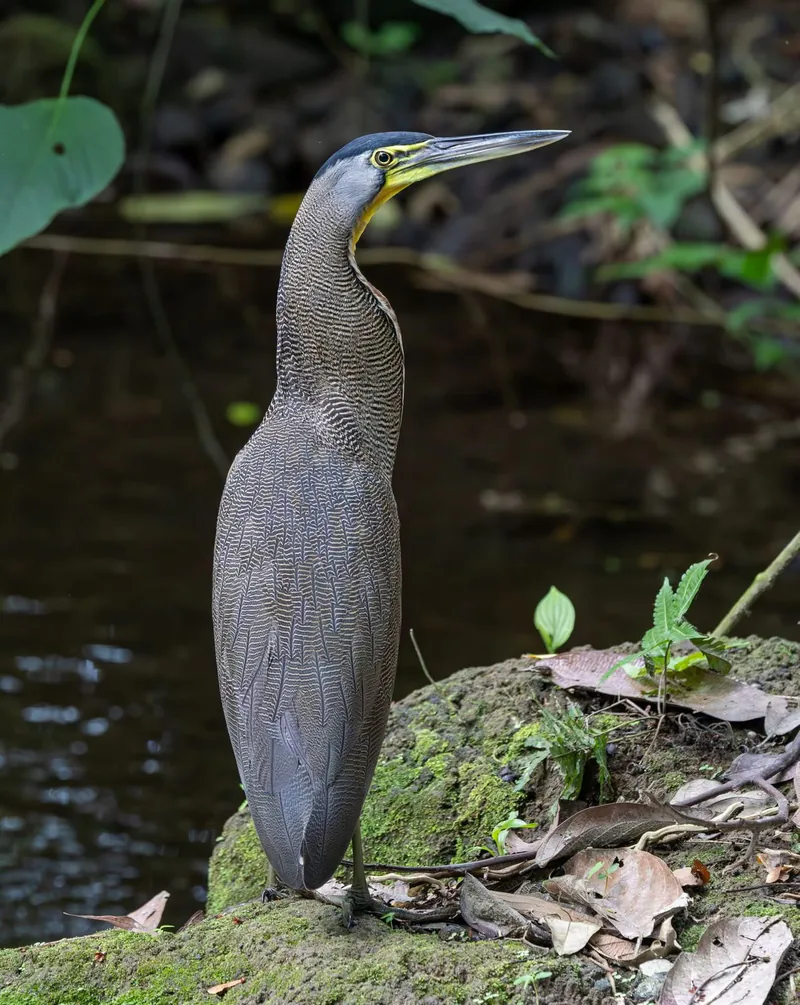
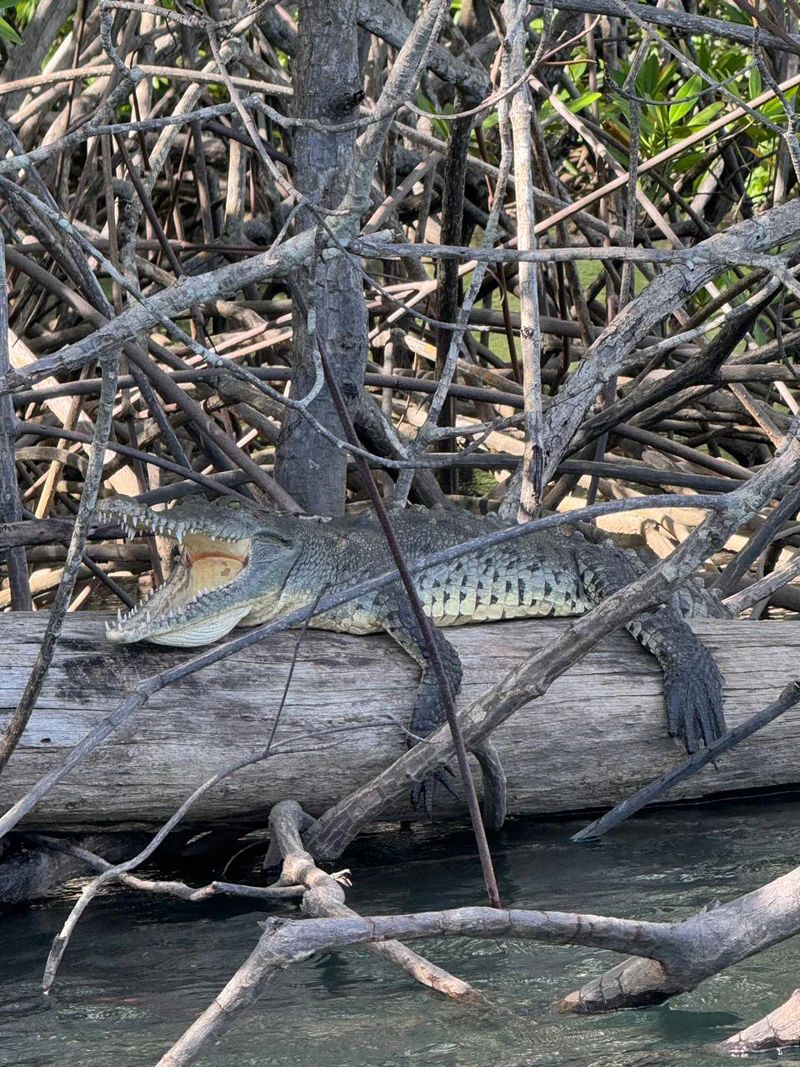
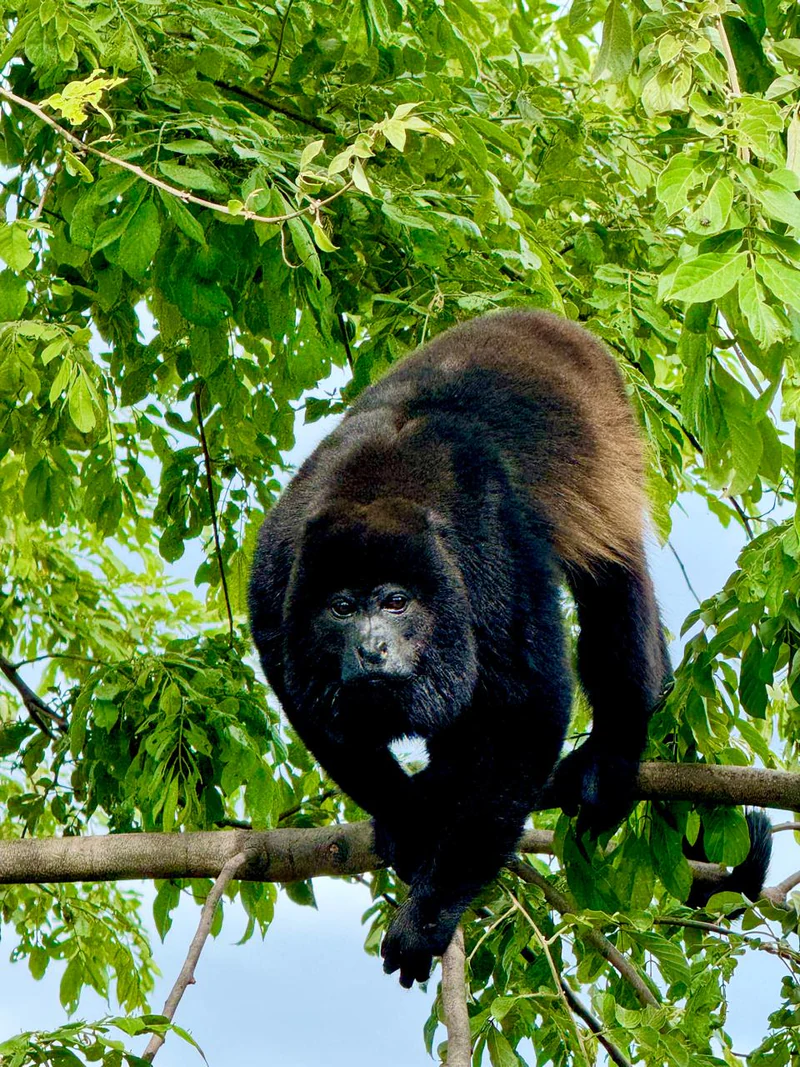
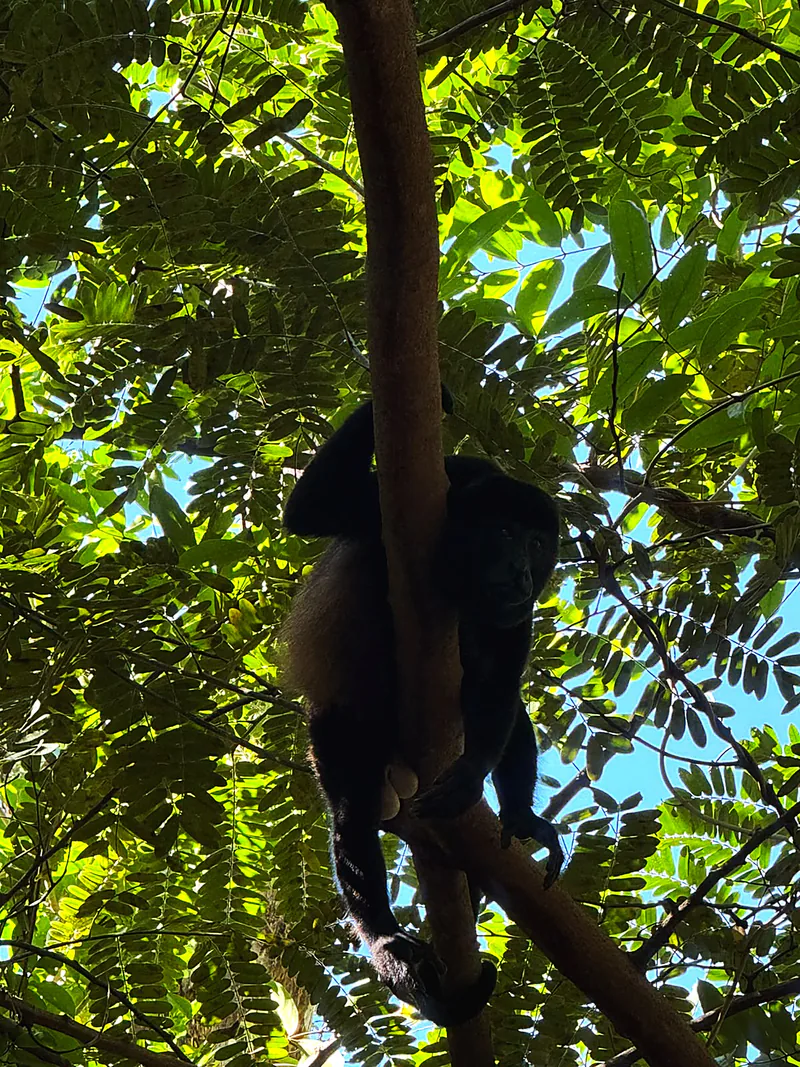
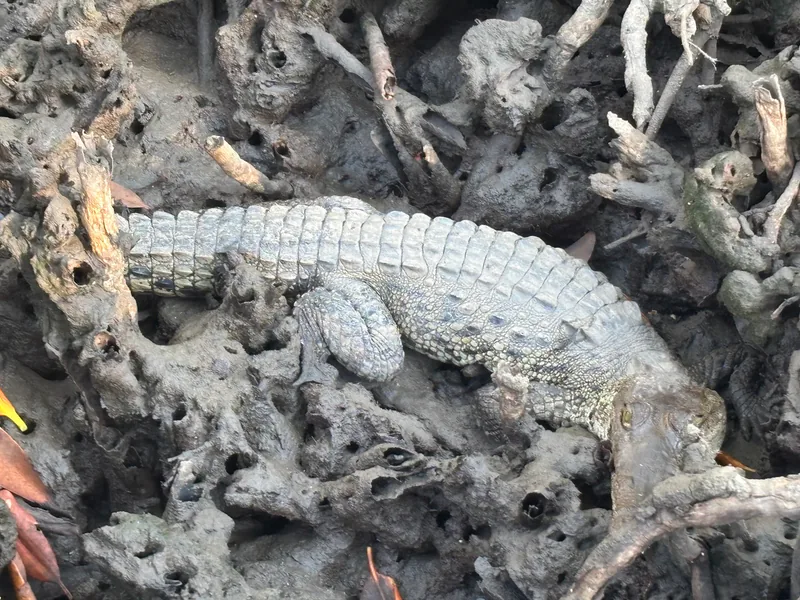
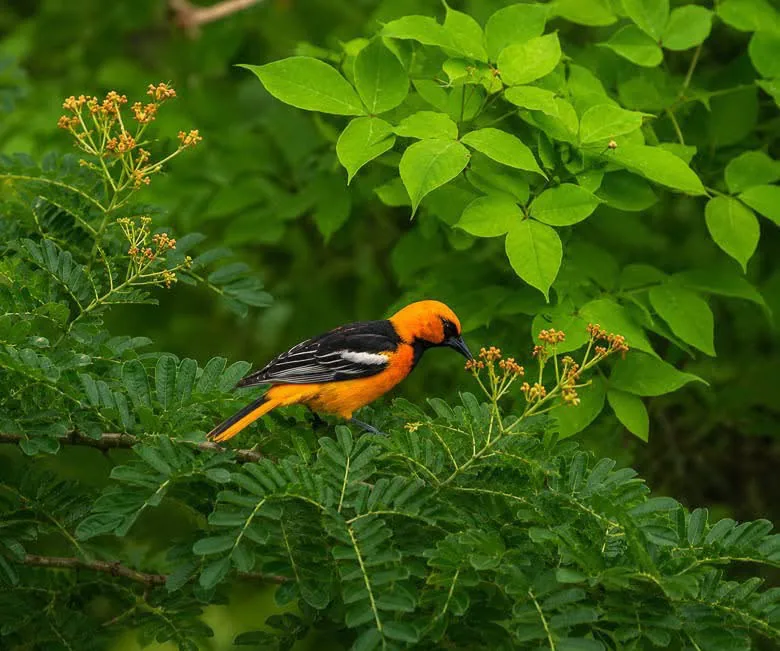
American crocodile on the bank of the estuaryCrocodylus acutusCrocodile on a logCrocodylus acutusCrocodile with its mouth open on a log in the mangroveCrocodylus acutusHowler monkey hanging from a branch by the estuaryAlouatta palliataHowler monkeyAlouatta palliataReddish egretEgretta rufescensGreen heronButorides virescensWhite ibisEudocimus albusWhite heron fishingRaccoons in the mangroveProcyon lotorYoung crocodile among the rootsCrocodylus acutusBare-throated tiger-heronTigrisoma mexicanumRinged kingfisher (female)Megaceryle torquataOriole among the leaves
The American crocodile
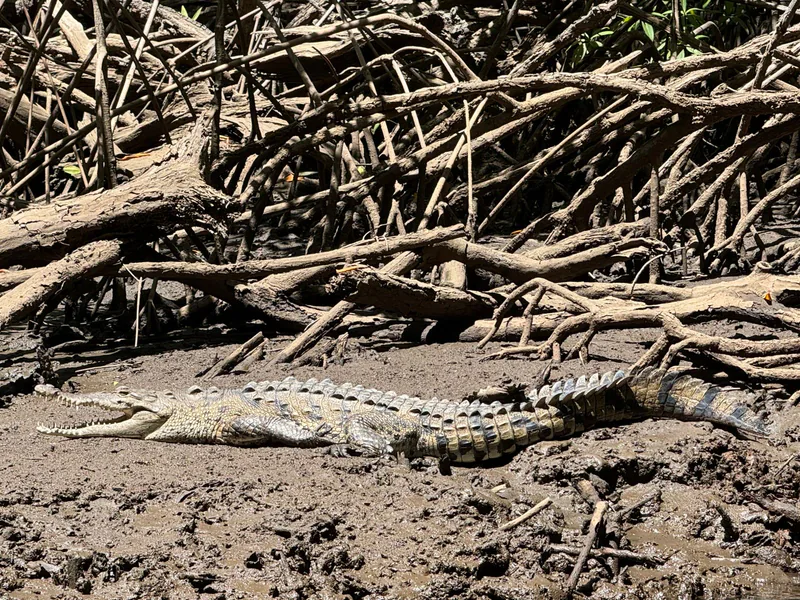
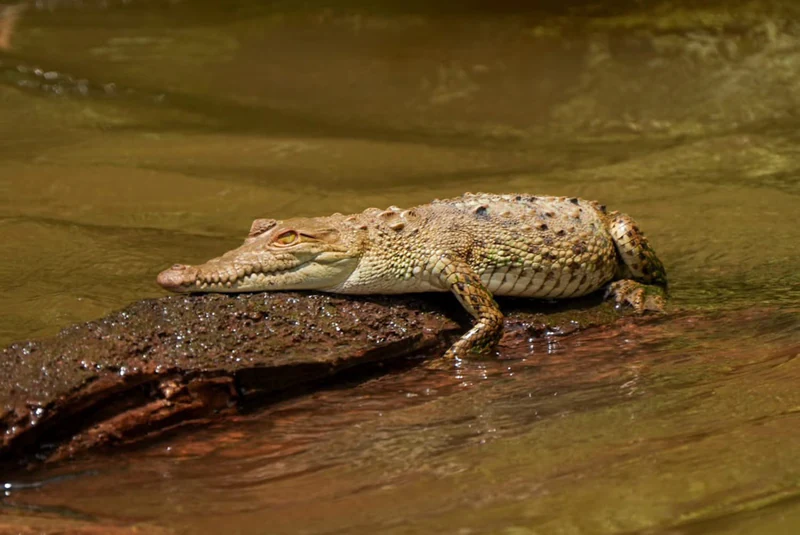
It is the animal travelers ask about most, and for good reason: the estuary is its home. You usually see crocodiles basking on the mud banks and among the mangrove roots. From the boat or the kayak they are watched from a distance and never fed.
Wetland birds
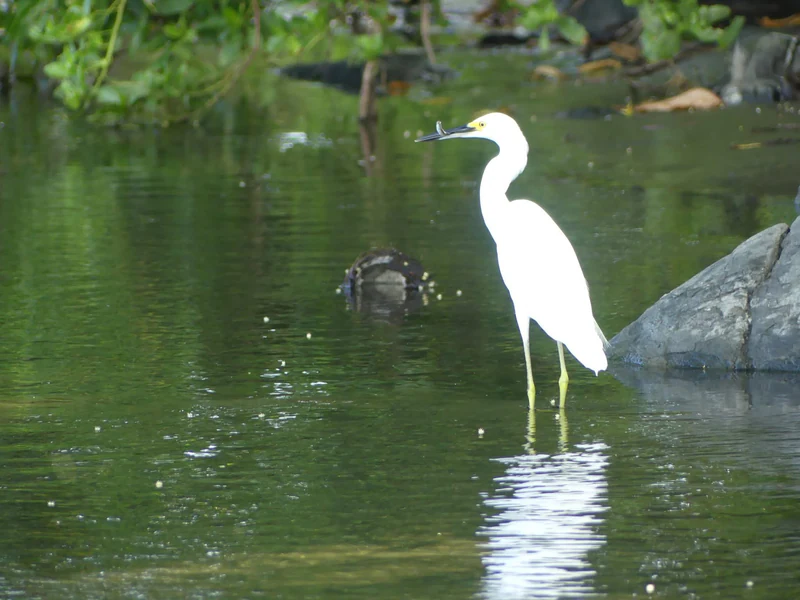
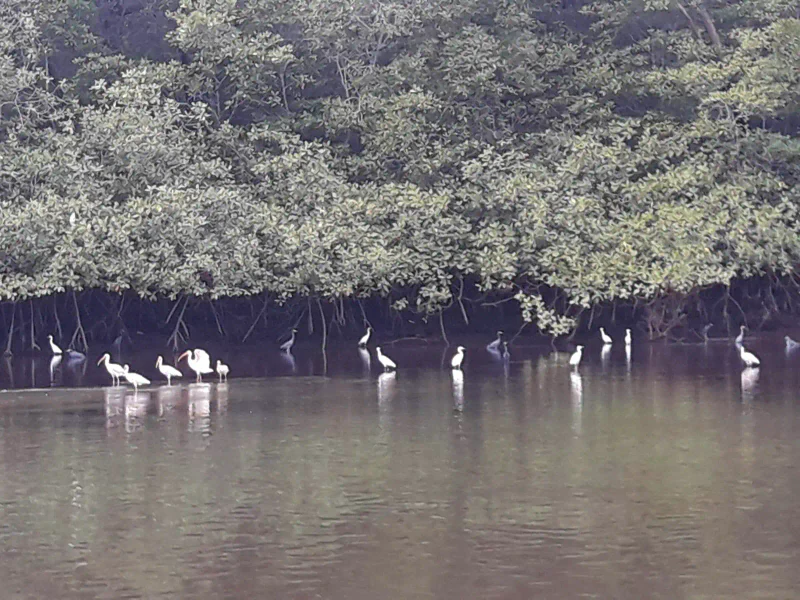
Herons, egrets, ibises and green herons fish along the shore or rest on the branches. At low tide more of the banks are exposed and there are usually more birds feeding.
Monkeys and mammals
Howler monkeys can be heard from far away in the trees along the water. Raccoons and dozens of crabs also show up among the roots.
Little blue heron
What you see depends on the tide, the season and the animals themselves. Your guide confirms the best departure time for your date.
Watch, don’t feed. In Costa Rica, feeding wildlife without SINAC authorization is fined under article 116 of the Wildlife Conservation Law (Ley 7317). On our tours, animals are watched from a distance.