On eBird at the Tamarindo estuary
| Species | Months recorded | On checklists | Last record |
|---|---|---|---|
| Spotted Sandpiper Actitis macularius | Common | October 29, 2026 | |
| Ruddy Turnstone Arenaria interpres | Common | October 29, 2026 | |
| Hudsonian Whimbrel Numenius hudsonicus | Frequent | September 28, 2026 | |
| Semipalmated Plover Charadrius semipalmatus | Frequent | October 29, 2026 | |
| Least Sandpiper Calidris minutilla | Frequent | October 29, 2026 | |
| Sanderling Calidris alba | Occasional | October 29, 2026 | |
| Collared Plover Anarhynchus collaris | Frequent | October 29, 2026 | |
| Wilson's Plover Anarhynchus wilsonia | Occasional | October 29, 2026 | |
| American Oystercatcher Haematopus palliatus | Frequent | November 16, 2026 | |
| Black-bellied Plover Pluvialis squatarola | Occasional | September 6, 2026 | |
| Surfbird Calidris virgata | Occasional | August 19, 2026 |
few records · regular · on many checklists. Source: eBird, hotspot Tamarindo, Guanacaste, Costa Rica (L442998), checked on November 18, 2026. What you see depends on the tide, the season and the animals.
Why shorebirds stop at Tamarindo
Most of the migrant shorebirds here nest in the north of North America, many of them on the Arctic tundra, and spend the rest of the year on coasts that reach as far south as Chile and Brazil. A river mouth with sandbars, mudflats and a beach is exactly what they need on the way: food in the wet sand and a safe place to rest. The eBird hotspot for Tamarindo, right at the estuary mouth, has records of 24 species of sandpipers, plovers, stilts and oystercatchers.
Many are listed as migrants in the official list of the birds of Costa Rica (AOCR, June 2026). Two plovers on this page, the collared plover and Wilson’s plover, also live here as residents.
The common ones, side by side
| Species | Size | Key marks | In Tamarindo (eBird) |
|---|---|---|---|
| Ruddy Turnstone (Arenaria interpres) | 16–21 cm | Stocky, short upturned bill, orange legs; flips shells and stones | Common; 47 weeks, all year |
| Spotted Sandpiper (Actitis macularius) | Small | Bobs its tail as it walks; stiff, stuttering wingbeats | Common; no records June to late July |
| Hudsonian Whimbrel (Numenius hudsonicus) | 43–46 cm | Large, brown, long down-curved bill, striped crown | Frequent; 40 weeks |
| Semipalmated Plover (Charadrius semipalmatus) | 17–19 cm | Brown back, one black breast band, short orange bill with black tip | Frequent; 36 weeks |
| Least Sandpiper (Calidris minutilla) | 13–15 cm | Tiny, brown, thin bill, yellow-green legs | Frequent; none in May and June |
| Collared Plover (Anarhynchus collaris) | Small | Chestnut crown and nape, black breast band, yellow legs | Frequent; resident |
| American Oystercatcher (Haematopus palliatus) | 40–44 cm | Black and white, bright orange-red bill | Frequent; 39 weeks |
| Sanderling (Calidris alba) | 18–20 cm | Very pale in winter, black legs and bill; chases the waves | Occasional; mainly August to March |
Sizes and marks from the Cornell Lab (All About Birds) and Birds of the World. Frequency is our label from the weekly eBird bars for the hotspot, consulted 18 November 2026.
How to tell them apart
Start with size and bill. The Hudsonian Whimbrel is the big brown one with the curved bill; it probes mud and sand for crabs. Cornell notes that in many regions its main winter food is fiddler crabs. The American Oystercatcher is just as big, but black and white with a bill like a carrot; it lives on clams and other shellfish, which it opens by cutting or smashing (All About Birds).
Then watch how they move. The Spotted Sandpiper teeters its rear end up and down as it walks, and flies low with stiff, stuttering beats (Cornell). The Sanderling runs back and forth with the waves on the open beach. The Ruddy Turnstone does what its name says: it flips shells, pebbles and seaweed to find food (Cornell).
Plovers have short bills and big eyes, and hunt by sight: run a few steps, stop, lunge. The Semipalmated Plover has one black band on the breast and a short orange bill with a black tip (Cornell). Wilson’s Plover is a bit larger, with a heavy black bill, and specializes in fiddler crabs (Cornell). The Collared Plover has a chestnut crown and nape and yellow legs (Birds of the World).
The smallest is the Least Sandpiper, little bigger than a sparrow. Its yellow-green legs set it apart from other small «peeps», and it prefers muddy edges to open beaches (Cornell).
When they are here
The weekly eBird bars for the hotspot show the rhythm of the season:
- Late July and August: the first migrants return. The Spotted Sandpiper, absent from June to the third week of July, is back in August, and the Least Sandpiper reappears from mid-July.
- September to April: the main season, when Arctic nesters spend the northern winter on the coast.
- May and June: most migrants are gone. Turnstones and whimbrels still appear on some checklists; Cornell notes that many non-breeding turnstones stay on southern coasts through the summer.
- All year: the collared plover and the American oystercatcher, with records in most months.
For every migrant month by month, see our Costa Rica bird migration guide.
Rare visitors with dates
A few shorebirds in the archive are worth a story, not a promise. The Surfbird (Calidris virgata), a bird of rocky Pacific shores whose winter range stretches nearly 17,500 km from Alaska to the Strait of Magellan (Cornell), was last reported on 19 August 2026. A Long-billed Curlew turned up on 30 January 2026, and the last Marbled Godwit was reported on 1 September 1997.
A fun fact
In the Spotted Sandpiper, the roles are reversed. The female arrives first on the breeding grounds and defends the territory, and the male does most of the incubating and chick care. A female may even lay eggs for up to four males (Cornell).
See them on a tour
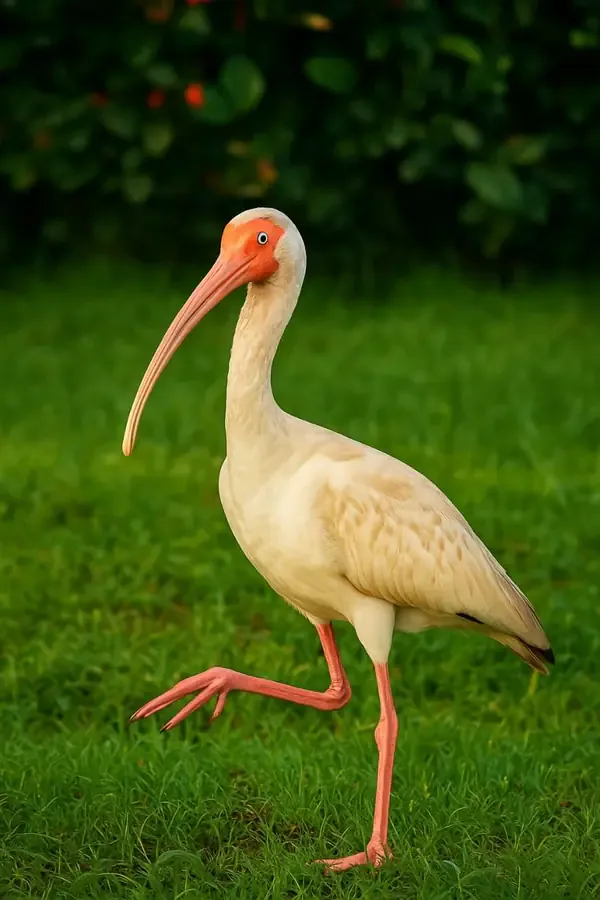
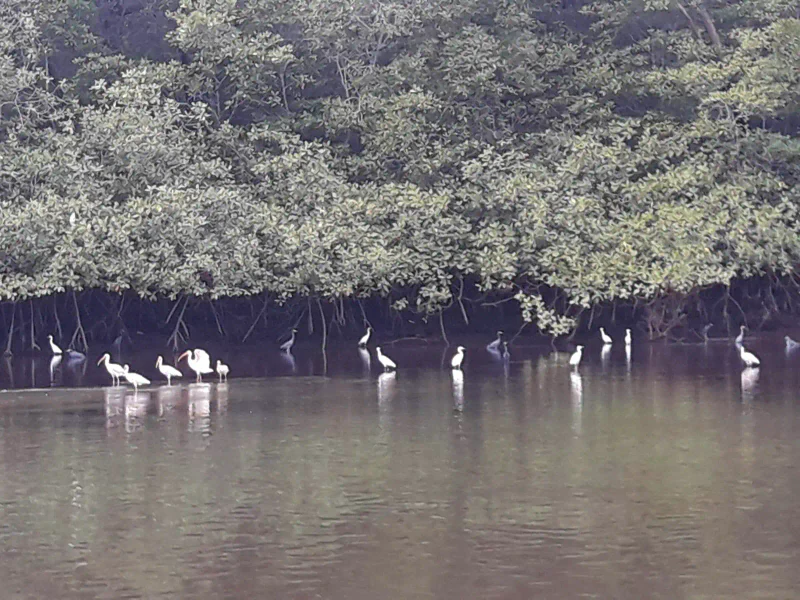
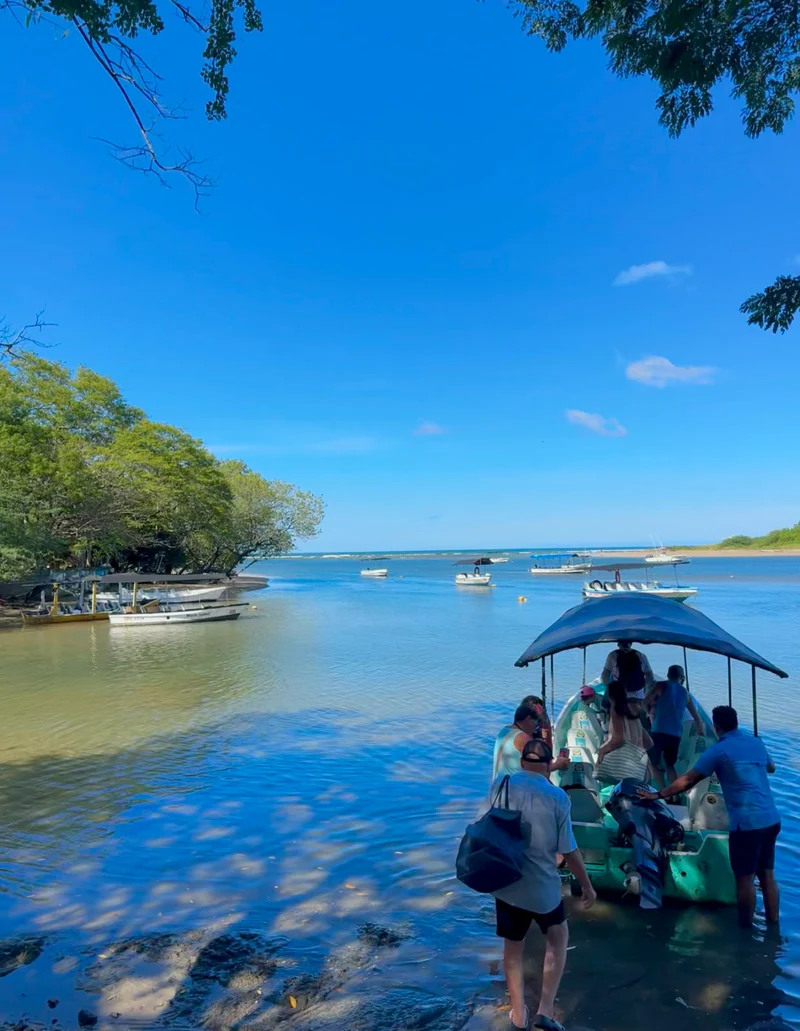
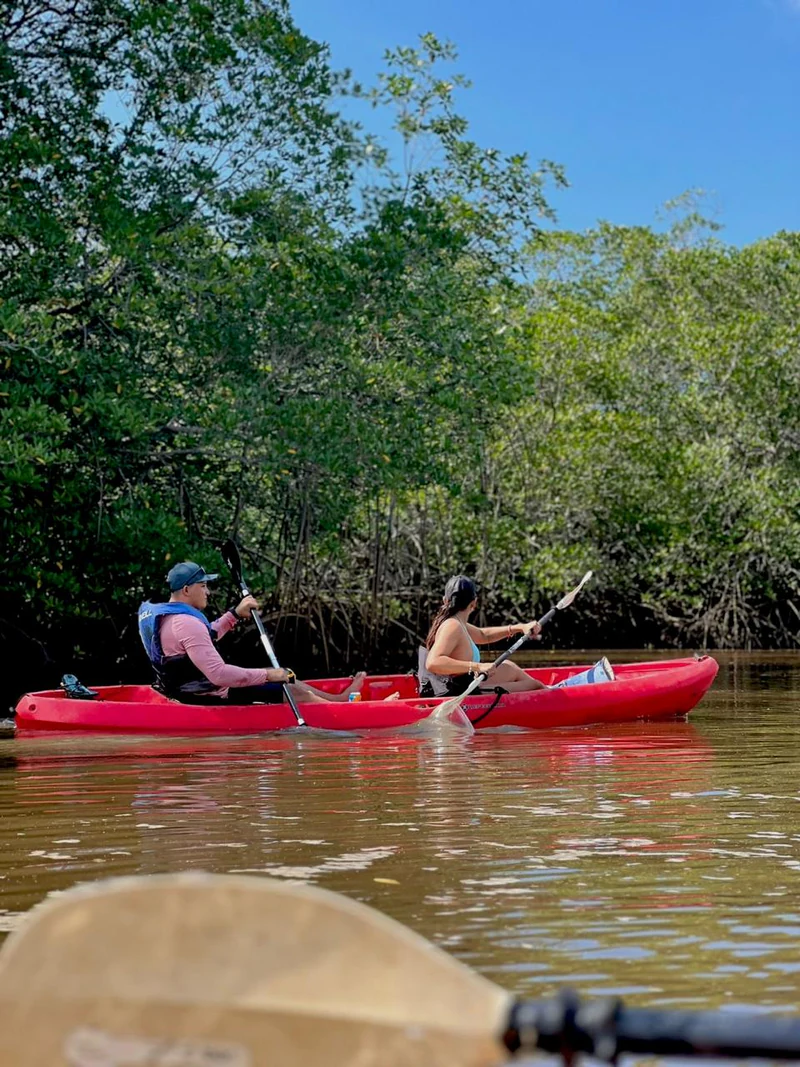
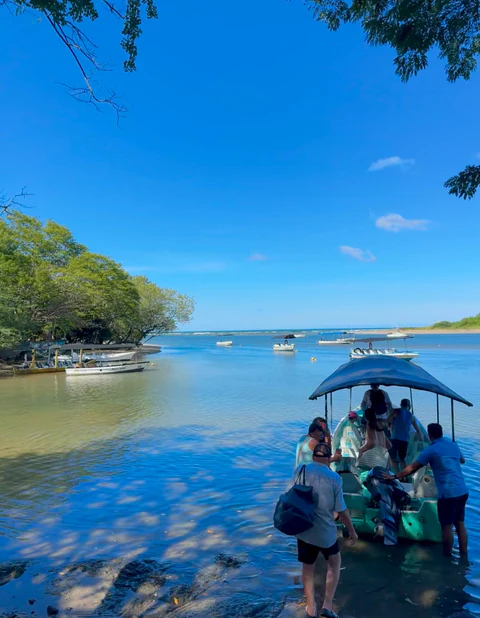
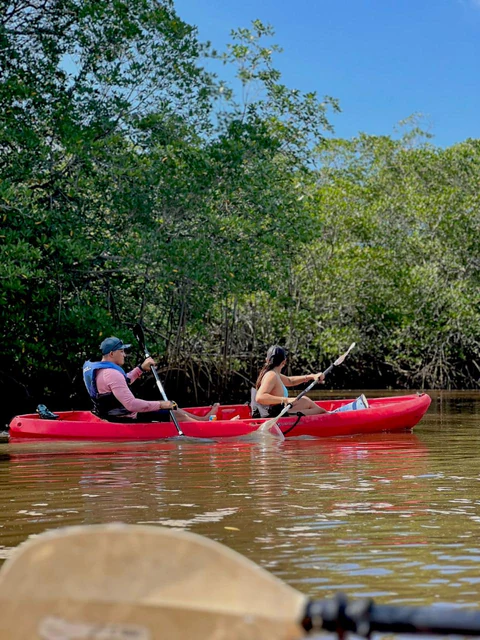
The sandbars near the estuary mouth are on the route of our wildlife boat tour in the Tamarindo estuary. Bring binoculars, or ask for the bird watching tour in Tamarindo when you book. On the same mudflats look for the white ibis, and tick off the rest in the Tamarindo bird checklist. Please give resting flocks space: a flushed shorebird burns energy it needs for migration.
Watch, don’t feed. In Costa Rica, feeding wildlife without SINAC authorization is fined under article 116 of the Wildlife Conservation Law (Ley 7317). On our tours, animals are watched from a distance.
Sources
- Cornell Lab, All About Birds: Hudsonian Whimbrel
- Cornell Lab, All About Birds: Spotted Sandpiper
- Cornell Lab, All About Birds: Ruddy Turnstone
- Cornell Lab, All About Birds: Semipalmated Plover
- Cornell Lab, All About Birds: Least Sandpiper
- Cornell Lab, All About Birds: Sanderling
- Cornell Lab, All About Birds: Wilson’s Plover
- Cornell Lab, All About Birds: American Oystercatcher
- Cornell Lab, All About Birds: Surfbird
- Birds of the World: Collared Plover (introduction)
- AOCR: Lista Oficial de las Aves de Costa Rica (update June 2026)
- eBird: Tamarindo hotspot (L442998)
- eBird: bar charts for the Tamarindo hotspot
Reviewed: November 19, 2026 · Valled Tours