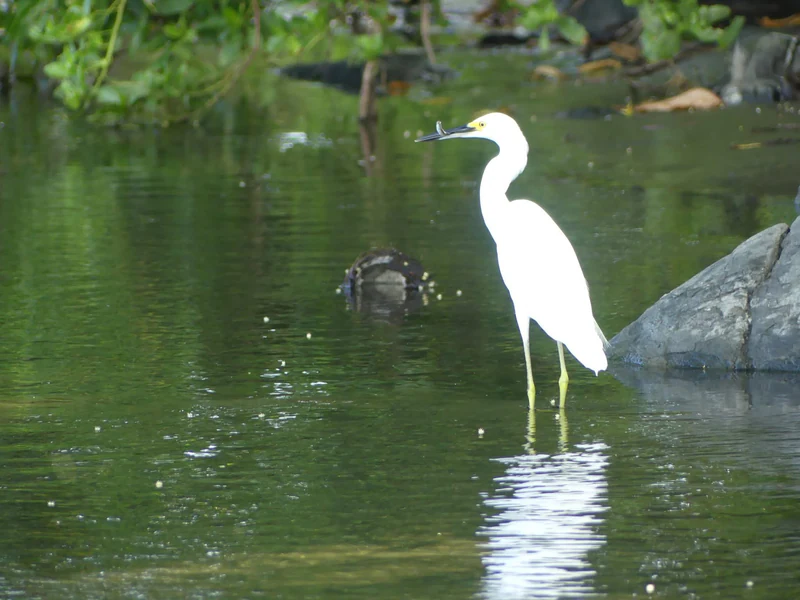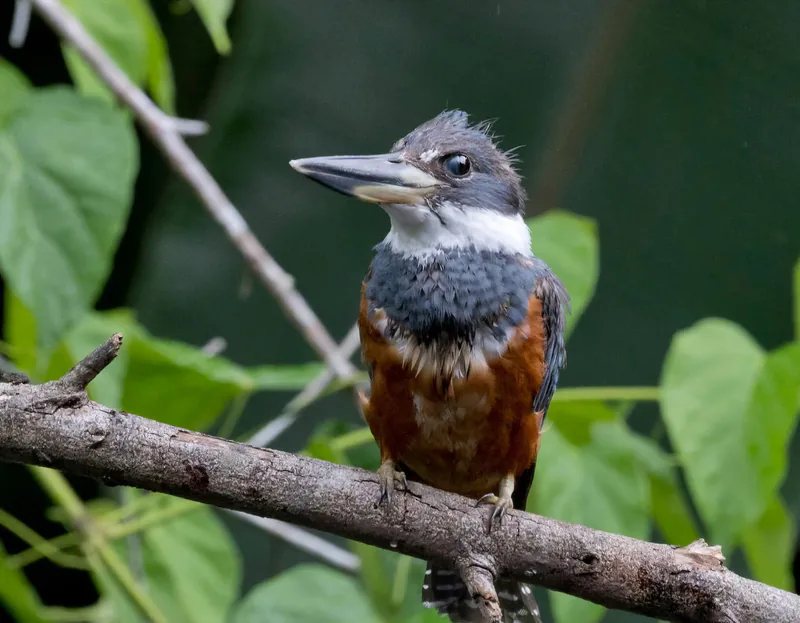
On eBird at the Tamarindo estuary
| Species | Months recorded | On checklists | Last record |
|---|---|---|---|
| Green Heron Butorides virescens | Frequent | September 4, 2026 |
few records · regular · on many checklists. Source: eBird, hotspot Tamarindo, Guanacaste, Costa Rica (L442998), checked on November 18, 2026. What you see depends on the tide, the season and the animals.
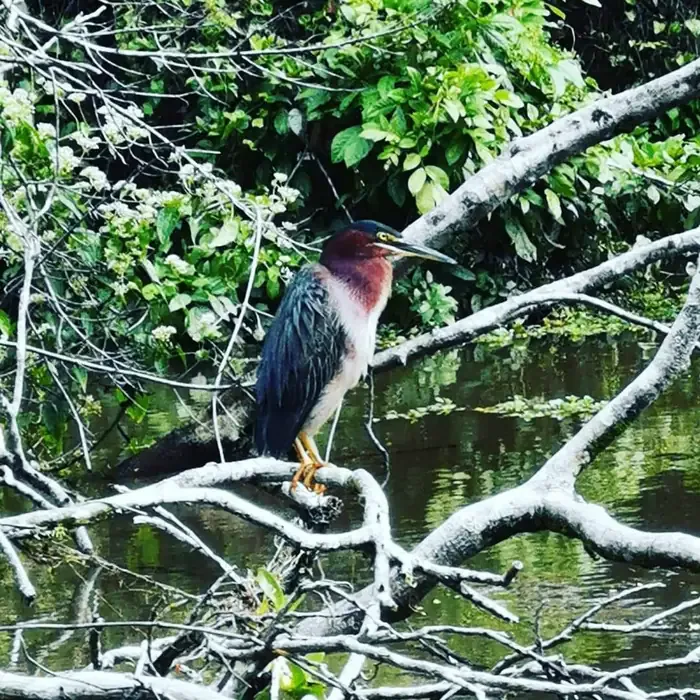
Big herons stand out in the open. The green heron does the opposite: it waits at the edge, half hidden by leaves, hunched on a branch just above the water. Once you learn its shape, you start to see it everywhere in the mangrove.
Fishing with bait
The green heron is one of the world’s few tool-using birds. The Cornell Lab describes it making fishing lures out of bread crusts, insects and feathers, and dropping them on the surface of the water to bring small fish within reach. Twigs can work as bait too.
Most of the time, though, it hunts the classic heron way. It stands still at the water’s edge or on vegetation, waits, and then lunges, grabbing or spearing the fish with its heavy bill. It usually fishes in water less than about 10 cm deep, among thick vegetation, and avoids the deeper, open water used by longer-legged herons. Now and then it plunges on prey from above and has to swim back. It hunts by day and by night, Cornell notes.
Its menu is mostly small fish, plus insects, spiders, crustaceans, snails, amphibians and the odd reptile or rodent.
How to recognize it
- Size and shape: about the size of a crow. Short and stocky, with a thick neck usually pulled into the body and fairly short yellow legs.
- Color: from a distance it looks all dark. In good light the back is deep green, the neck and breast rich chestnut, and the cap dark. It sometimes raises the cap into a short crest.
- Bill: long and dagger-like.
- Young birds: browner, with pale streaks on the neck and buffy spots on the wings.
- In flight: slow beats of rounded wings make it look like a tailless crow, and it often unfolds its neck for a moment. Listen for its harsh “skeow” call.
The bird most often confused with it in the estuary is the yellow-crowned night heron, which is larger, gray and has a black-and-white face. See the full comparison in our guide to the herons and egrets of Costa Rica.
Where to look in the mangrove
Cornell says that in tropical areas green herons are common in mangrove swamps, and the Tamarindo estuary is mostly mangrove: the Ramsar file for the site describes about 400 hectares of nearly intact forest dominated by red mangrove. Scan these spots:
- Low branches hanging just over the water.
- The roots and banks where the mangrove meets the channel.
- Shady edges with thick leaves, rather than open water.
Look for a small, hunched bird with a long straight bill staring at the water. If it does not move, it is probably hunting.
How often it shows up in Tamarindo
At the Tamarindo eBird hotspot the green heron is frequent, with records in every month of the year. As of 18 November 2026 the latest report is from 4 September 2026. Like any wild animal, it is never guaranteed: it depends on the tide, the season and the bird.
Is the green heron in trouble?
It is still widespread. BirdLife International treats it as part of a wider species, the green-backed heron (Butorides striata), listed as Least Concern. In North America, though, Cornell includes it among the Common Birds in Steep Decline: the population fell about 51% between 1966 and 2019, mainly through the loss of wetlands.
A fun fact
Green herons can swim. Cornell reports a young green heron seen swimming more than 18 meters (60 feet), sitting upright on the water.
See it on a tour
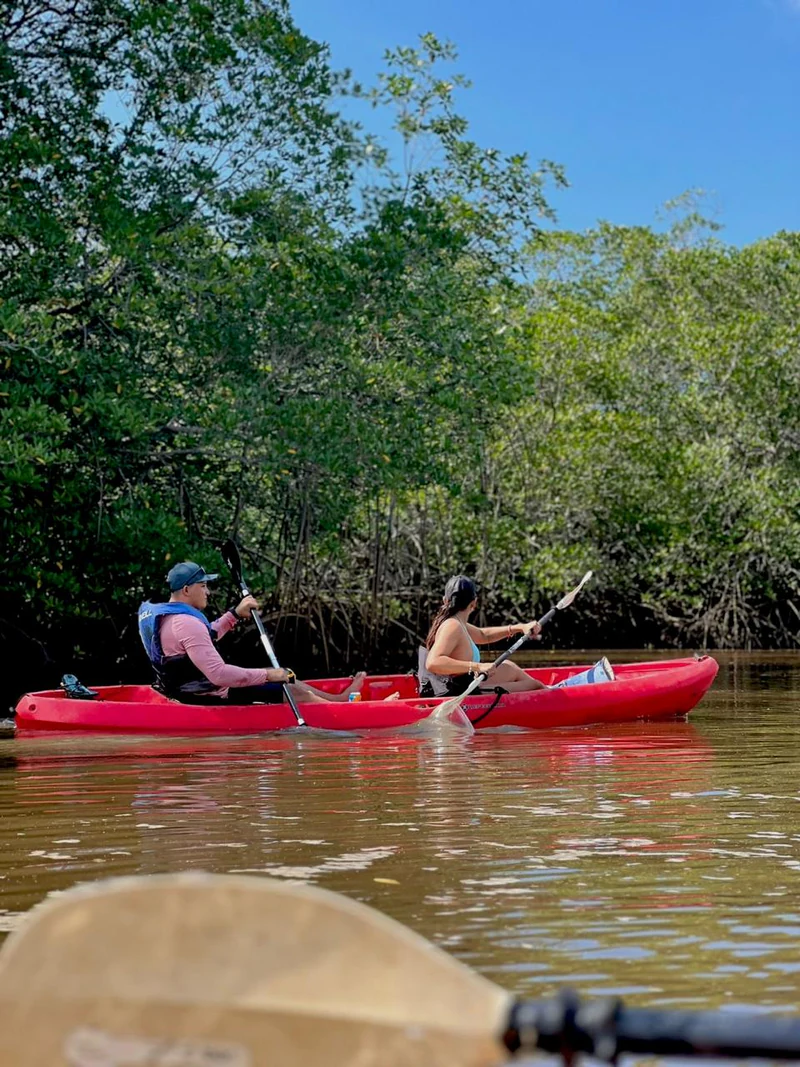
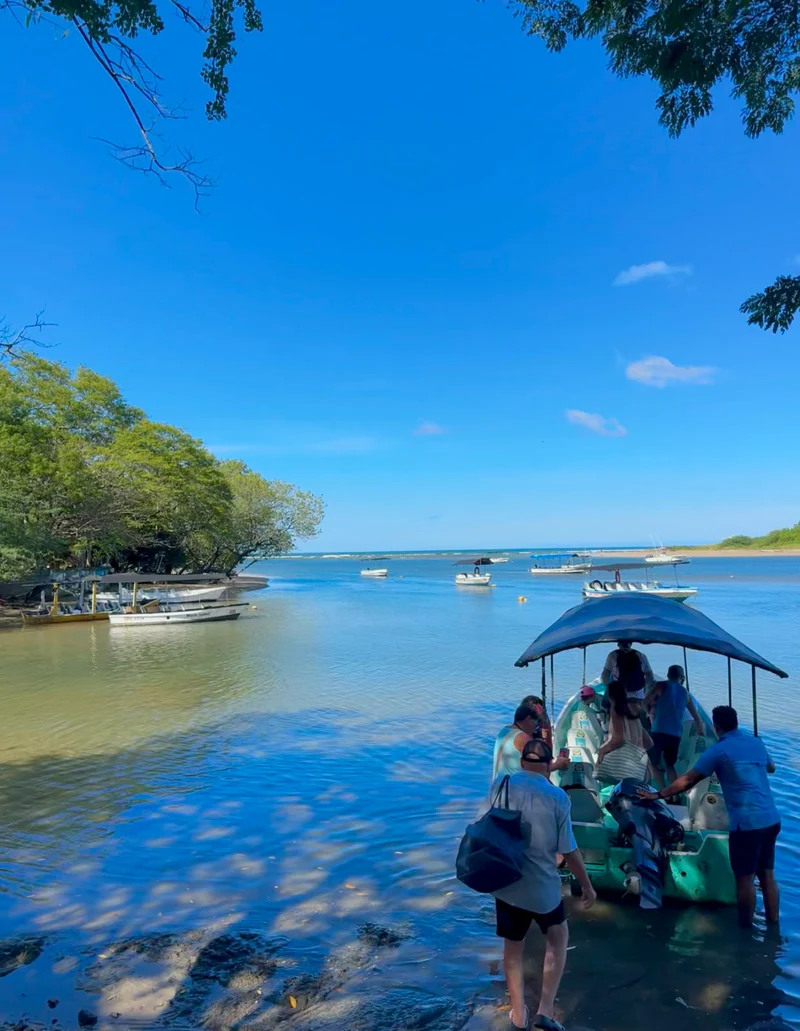
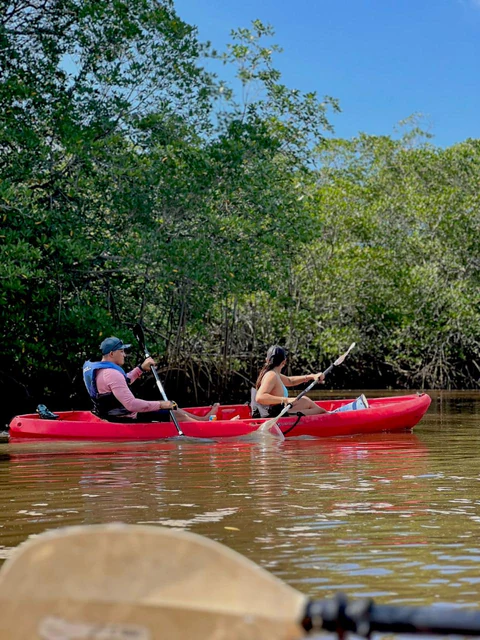
A quiet approach is the best way to watch a bird that likes to hide. Paddle the mangrove by kayak to glide along the roots where it hunts, or join our bird watching tour in Tamarindo. Next, meet the showy reddish egret or the kingfishers that share the same channels.
Watch, don’t feed. In Costa Rica, feeding wildlife without SINAC authorization is fined under article 116 of the Wildlife Conservation Law (Ley 7317). On our tours, animals are watched from a distance.
Sources
- Cornell Lab, All About Birds: Green Heron (overview)
- Cornell Lab, All About Birds: Green Heron (identification)
- Cornell Lab, All About Birds: Green Heron (life history)
- BirdLife DataZone: Green-backed Heron (Butorides striata)
- Museo Nacional de Costa Rica: Catálogo de Especies de Garzas de Costa Rica
- Ramsar Sites Information Service: Tamarindo (610)
- eBird: Tamarindo hotspot (L442998)
- eBird: bar charts for the Tamarindo hotspot
Reviewed: November 18, 2026 · Valled Tours